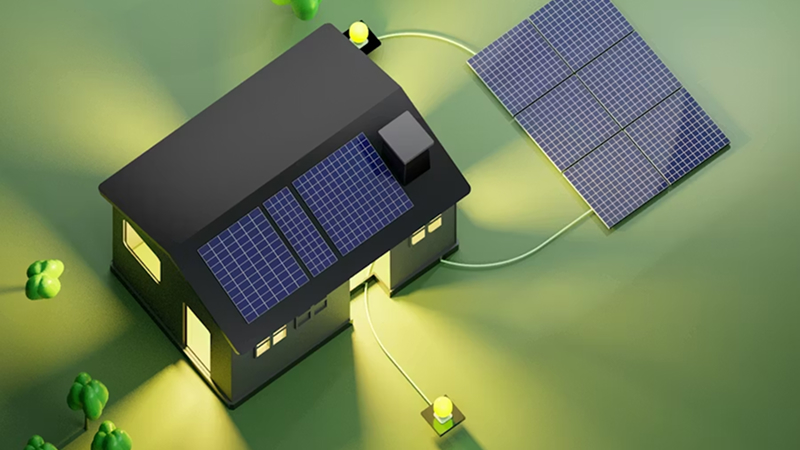

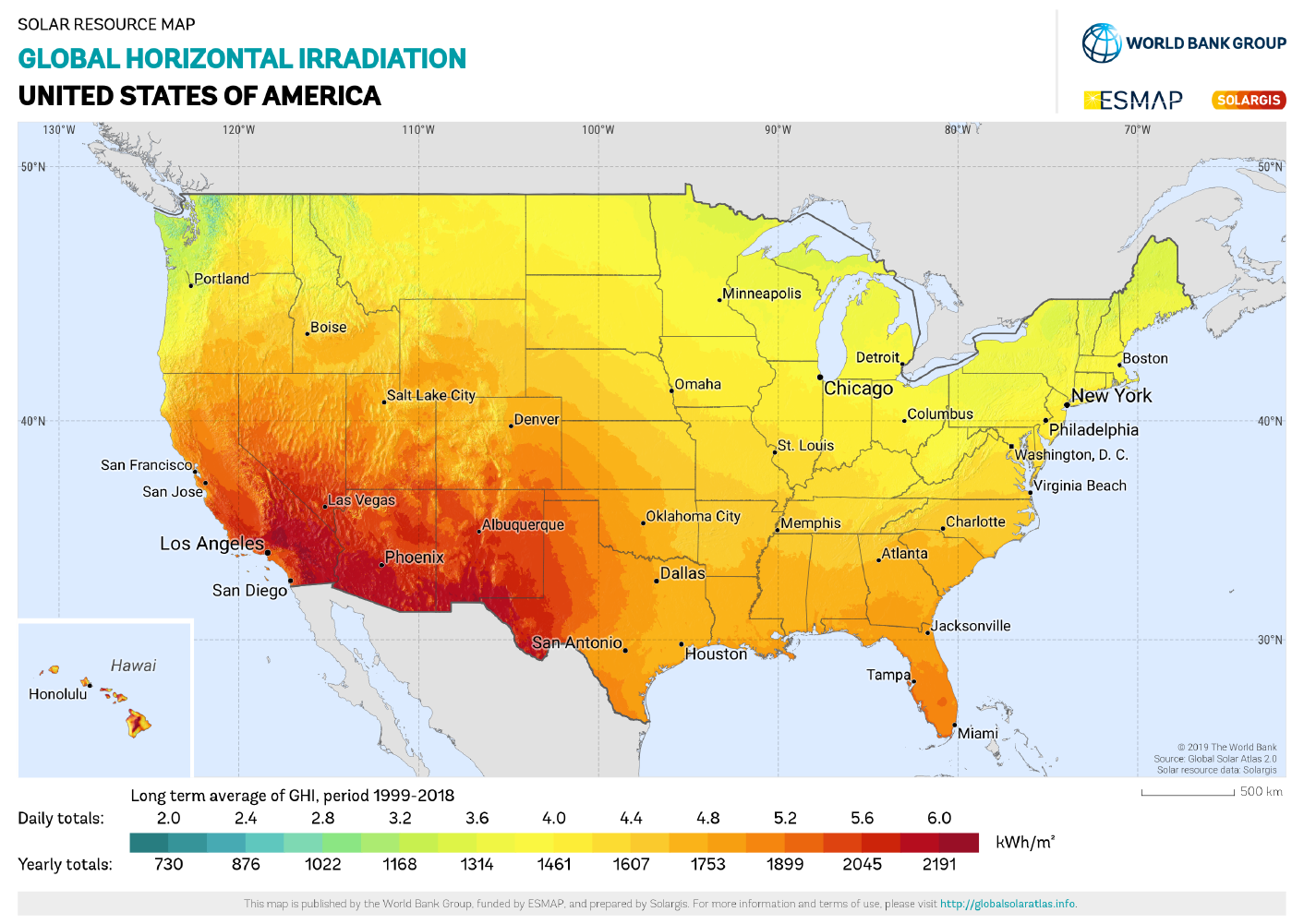
To design a photovoltaic system, the first consideration is the geographical location, natural environment, and whether there are many restrictive conditions for the construction of the project itself. In other words, whether the selected project address meets the basic conditions for the construction of a photovoltaic power generation system. The geographical location of the project determines the irradiance intensity, duration of sunlight, and climate environment of solar radiation, which will play a decisive role in the solar energy resources that the system can obtain. Then there are the conditions of the building itself, such as the area and inclination of the roof, which will directly affect the number of photovoltaic modules that can be laid, and the inclination; whether there are obvious obstacles on the building's roof, and whether there are obvious obstructions around the building will affect whether it is necessary to avoid obstacles during the design process, and whether it is necessary to choose a better location to avoid shadows cast by trees and other obstructions. For example, in the Northern Hemisphere, an ideal roof faces south with an inclination angle of about 30 to 45 degrees, without obstructions, to maximize sunlight reception. Simply put, whether my location is a place rich in photovoltaic resources and suitable for the installation of a photovoltaic system. The following are the irradiation distribution maps of the United States and China, showing that the southwestern United States and western China are both regions with very rich photovoltaic resources.
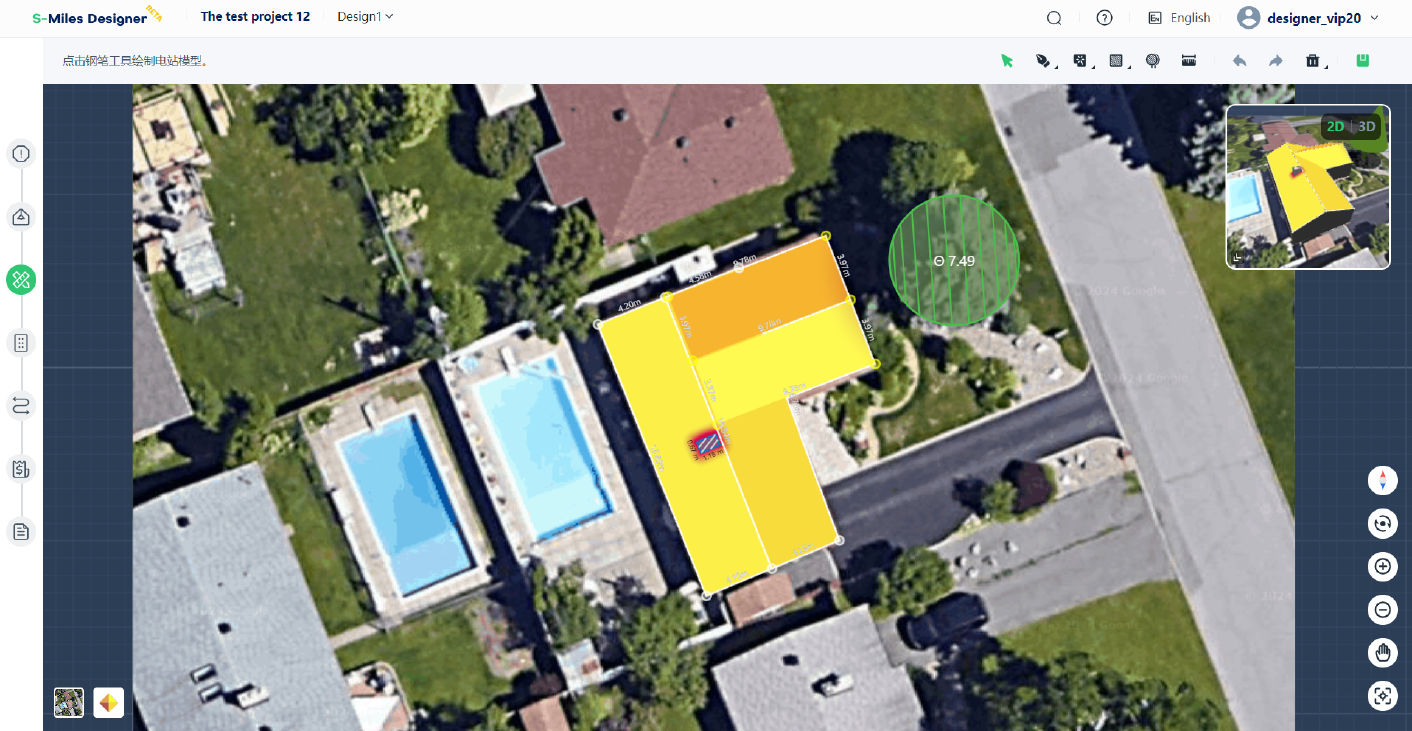
S-Miles Designer is a WEB-based application developed by Hoymiles Power Electronics Co., Ltd. for dealers/installers of module-level power electronics power stations, providing a convenient and visual process for creating power station designs, as well as module layout and electrical design. Through the Hoymiles Smiles-Cloud cloud platform, you can enter the Smiles-Designer system and visually see the irradiance intensity received on various roof areas at the selected geographical location, as well as the impact of orientation, obstacles, and shadow casting.
Next, it is important to examine the monthly or annual electricity consumption of a household or business and to estimate potential future changes. By considering the electricity consumption patterns and generation capabilities together, questions such as what is my usual electricity usage, what are my electricity usage habits, whether I use more electricity during the day or at night, whether my system can be grid-connected, and if so, whether the generated electricity is primarily for self-consumption or fed into the grid, will determine the economic return on this investment. In addition, it is necessary to consider local electricity prices and photovoltaic policy support, such as subsidies, tax credits, peak electricity prices, demand management measures, and grid-connected electricity prices, to assess whether these policies can generate sufficiently attractive returns. If you do not have a clear concept of your own power generation, listing a detailed inventory of high-power appliances, such as heat pumps, air conditioners, and charging stations, or retaining electricity bills from a previous period before constructing a photovoltaic system, can help the installation service provider and you better assess the electricity consumption of the household or business. This will then allow you to evaluate the size of the system needed to serve you.
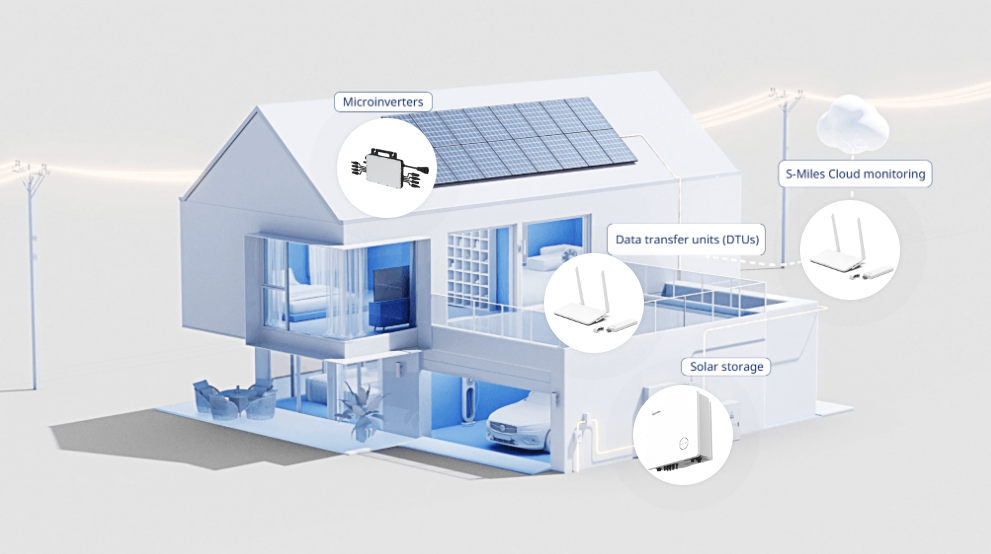
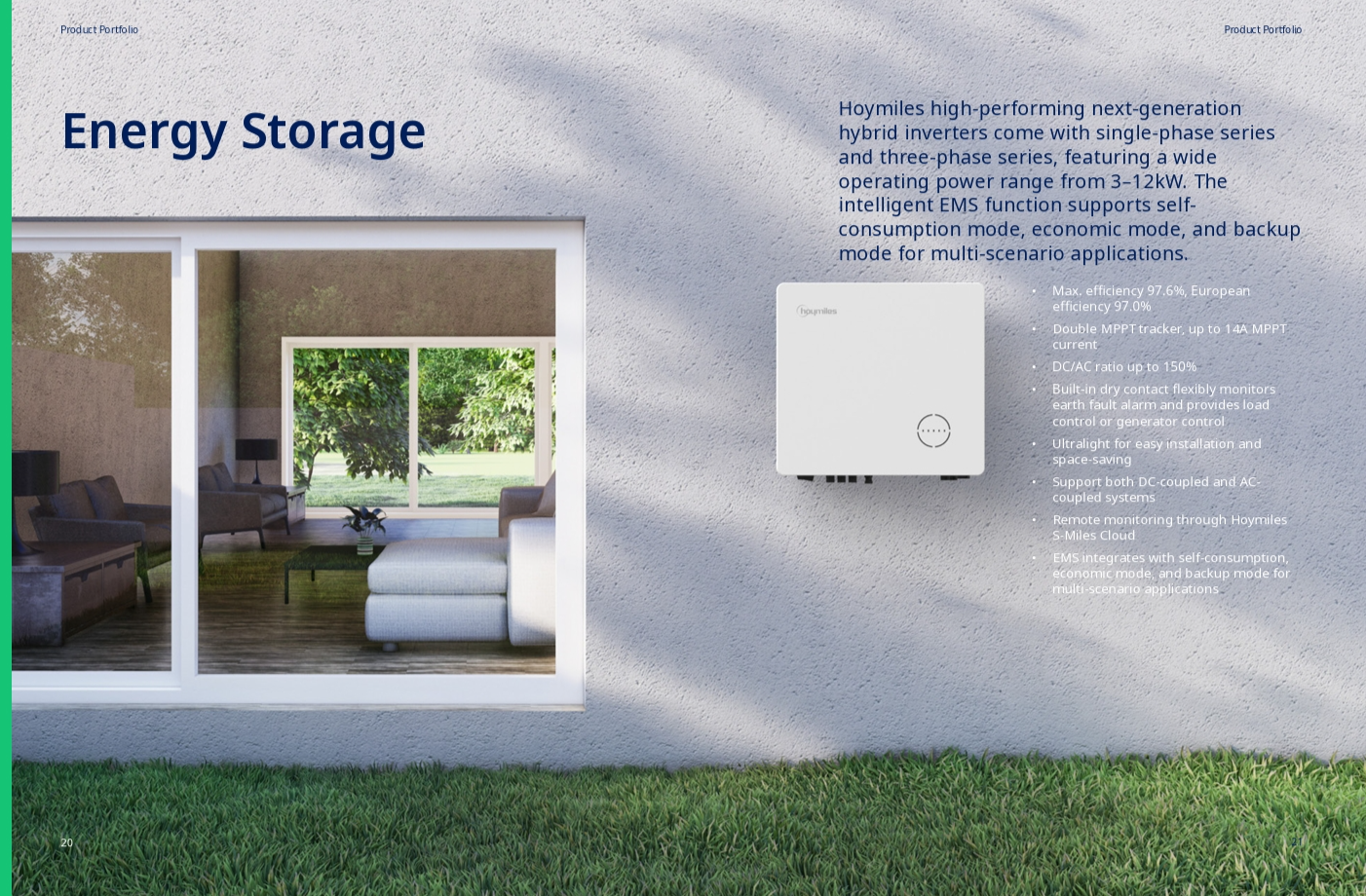
Finally, there is the need to consider energy storage. Is the place where I am located exposed to the threat of natural disasters? Is the power supply from the grid continuous? Combining my electricity usage situation, how much demand is there for energy storage batteries? Even without these considerations, facing the ever-increasing electricity bills, is it possible to consider using energy storage for peak-valley arbitrage, or even joining a virtual power plant project to achieve greater electricity sales revenue? Then we can decide whether to choose a photovoltaic system that focuses more on power generation or one that emphasizes integrated energy management with energy storage.